
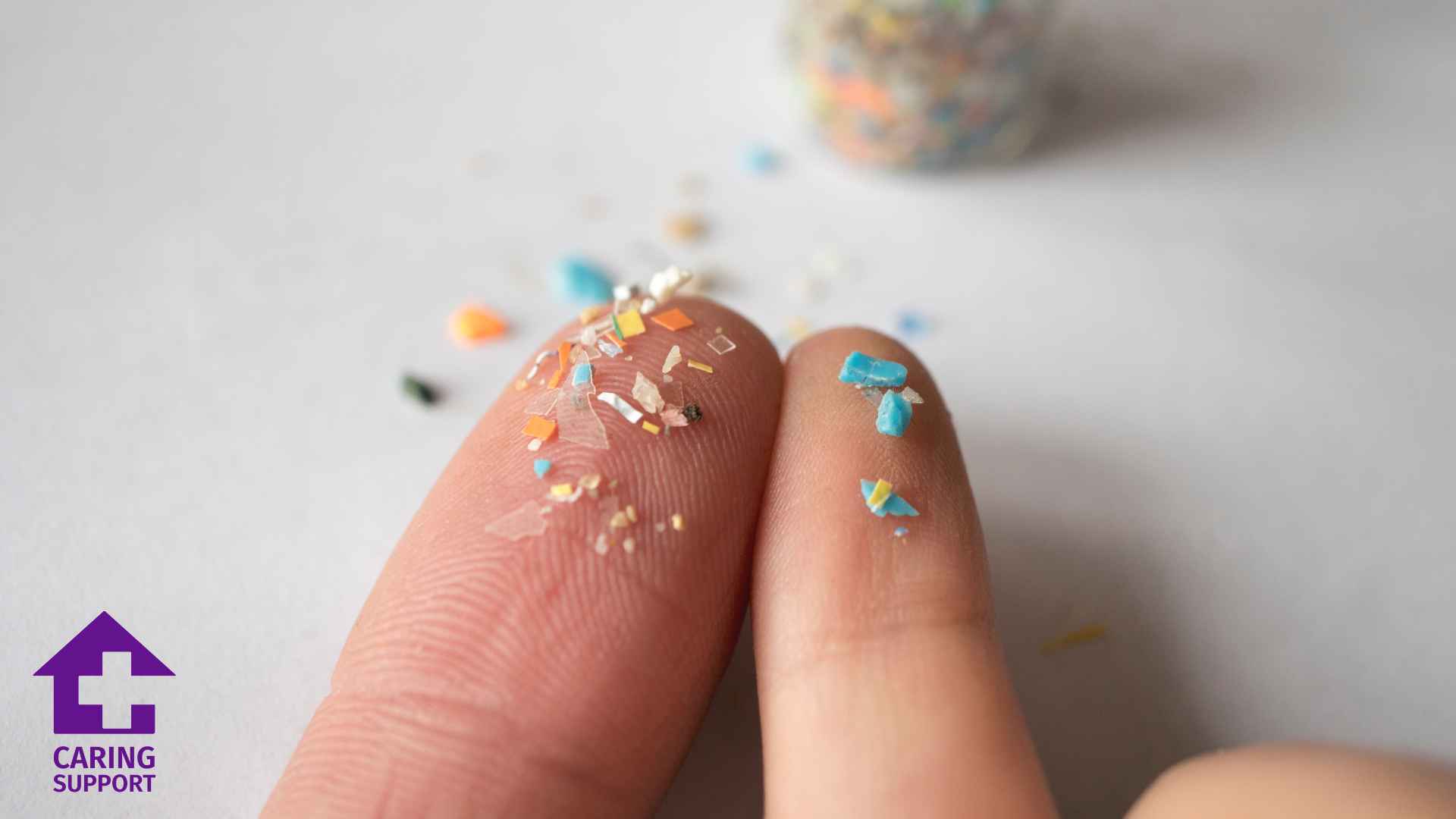
A systematic review suggests microplastics—ingested from food, bottles, clothing and more—can accumulate in organs and trigger immune responses, oxidative stress, blood-brain barrier disruption, neuronal damage and mitochondrial dysfunction, potentially promoting Alzheimer’s and Parkinson’s pathology via tau, beta-amyloid and alpha-synuclein aggregation; authors urge reduced plastic use and lifestyle changes now widely.

Canada launches an express-entry stream for internationally trained physicians with recent Canadian experience, offering expedited 14-day work permits and 5,000 federal admission spots to help provinces nominate licensed doctors. The move aims to ease emergency-room strain and improve access amid 5.9 million Canadians lacking primary care, though satisfaction remains low.
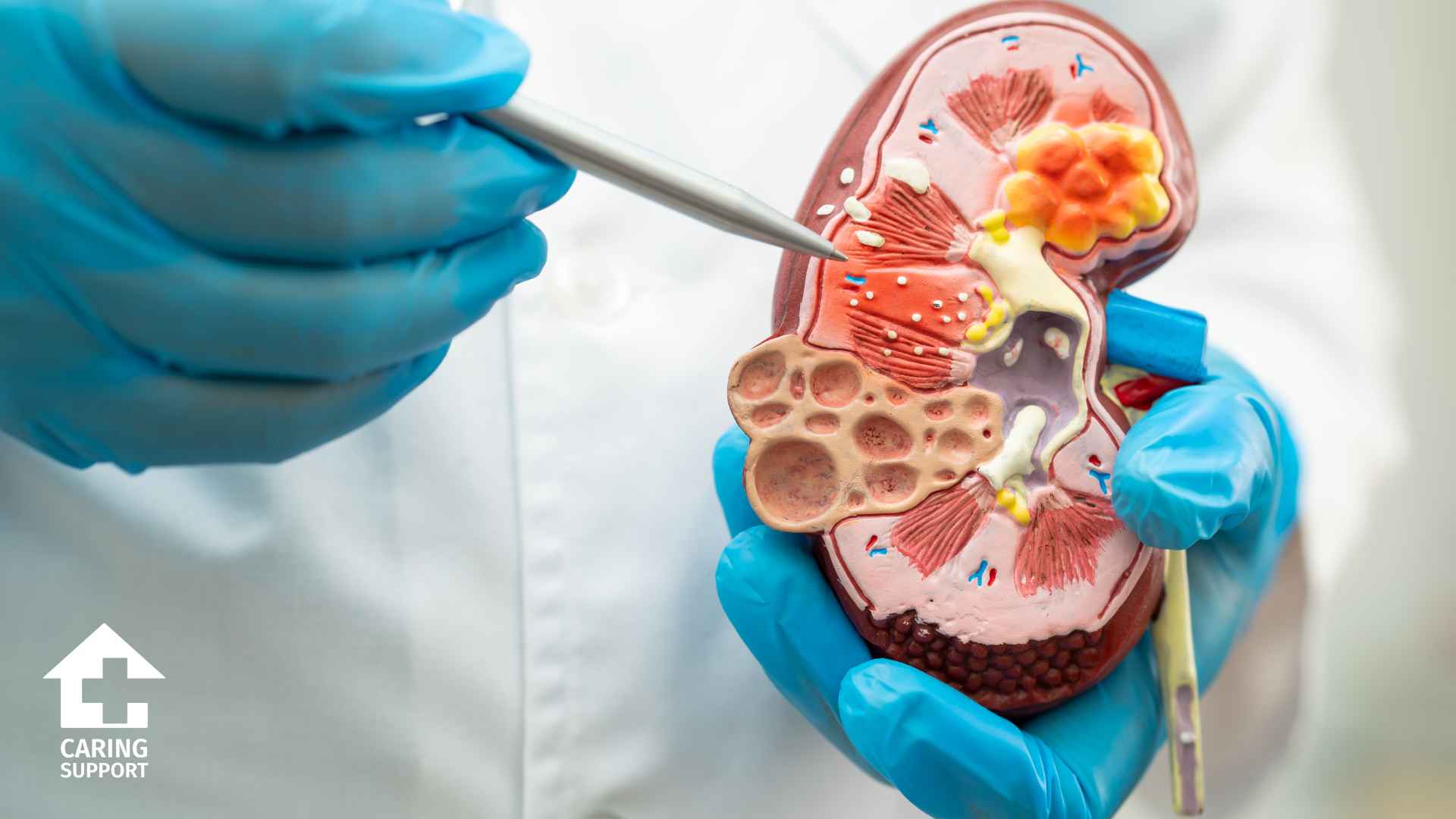
Canada’s CKD mortality has risen 70% since 1990, with 1 in 10 Canadians affected. Experts stress early detection, equitable access, and national frameworks to prevent progression. Lifestyle management, testing, and timely interventions can save lives. Patients like Sean Delaney demonstrate the importance of early care, transplants, and second chances at life.

New research shows physical activity in midlife and late life lowers dementia risk by 41–45%. Walking, cycling, or strength training can maintain vascular and brain health. Starting gradually, building consistent habits, and tracking activity can help older adults, even those with genetic risks, protect cognitive function and overall health.

Racing thoughts during the night are common, often triggered by stress or anxiety. Experts recommend cognitive shuffling, sensory grounding, journaling, and breathwork to calm the mind. Maintaining good sleep hygiene, limiting screen time, disinfecting surfaces, and managing stress daily can reduce nighttime awakenings and improve overall sleep quality.
Canada enforces permanent controls on the sedative carisoprodol, previously used abroad and linked to illegal drug markets. The drug’s misuse, often combined with opioids, poses public health risks. The move strengthens border enforcement, disrupts illicit trafficking, and signals Canada’s commitment to combating organized crime and protecting communities from harmful substances.
We'll keep you updated on all new application updates and features!