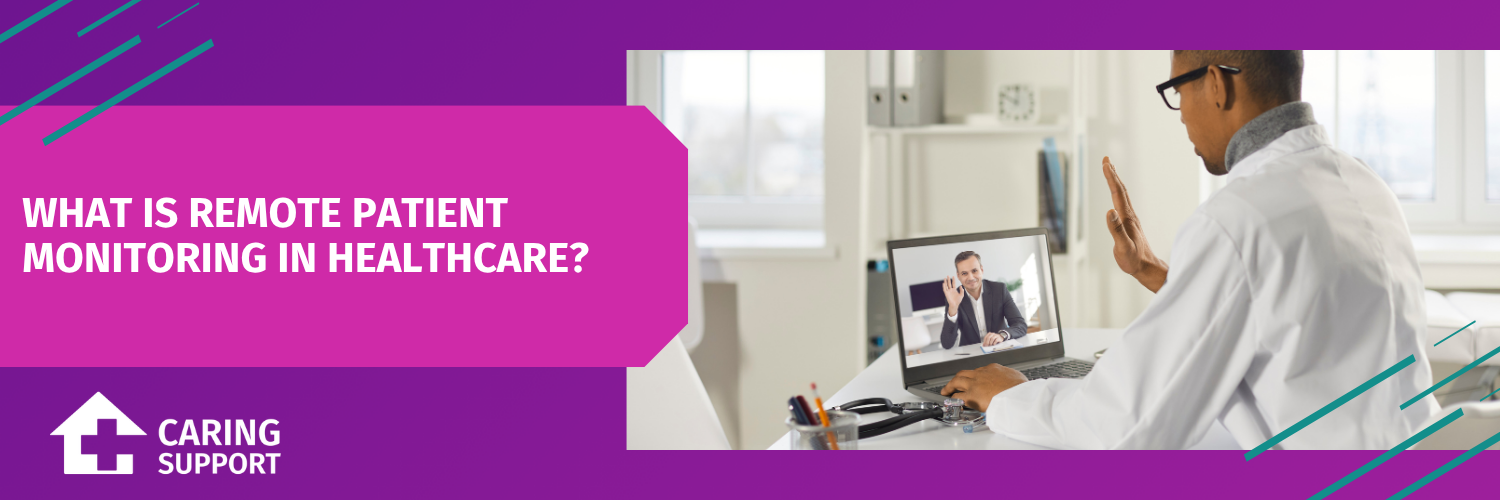
Remote Patient Monitoring (RPM) is a rapidly growing digital health technology that allows healthcare providers to track and manage patients' medical conditions outside of traditional clinical settings—such as from the comfort of their homes.
By utilizing connected medical devices and digital platforms, RPM bridges the gap between daily life and clinical oversight, making it a cornerstone of modern healthcare transformation.
Here is how remote patient monitoring works and why it is gaining momentum:
1. How Remote Patient Monitoring Works
RPM relies on secure, tech-enabled hardware and software to create a continuous feedback loop between patient and provider:
Connected Medical Devices: Patients are equipped with specialized, user-friendly home monitoring tools, such as digital blood pressure cuffs, glucometers, pulse oximeters, or smart weight scales.
Data Transmission: These devices automatically transmit vital physiological data via cellular networks or Bluetooth-paired mobile apps directly to the patient's electronic health record or care team.
Clinical Review: Healthcare professionals and monitoring nurses analyze the incoming metrics to spot trends, anomalies, or sudden warning signs early.
2. Who Benefits Most from RPM?
While RPM can be adapted for various specialties, it is primarily used to manage populations requiring consistent oversight:
Chronic Disease Management: Patients dealing with long-term conditions like hypertension, diabetes, heart failure, and chronic obstructive pulmonary disease (COPD) benefit massively from daily tracking.
Aging Populations: Seniors and patients with mobility limitations can avoid frequent, exhausting trips to hospitals or doctor's offices for routine checks.
Post-Discharge Care: Individuals recovering from recent surgeries can be monitored at home during the critical recovery window, freeing up valuable physical hospital beds.
3. Key Benefits for the Healthcare System
RPM addresses several of the most pressing systemic pressures facing modern healthcare:
Proactive Interventions: Instead of waiting until a patient's condition worsens into an emergency, clinicians can catch early warning signs and adjust treatment plans proactively.
Reduced Hospital Readmissions: Continuous monitoring significantly lowers rates of emergency room visits and unexpected readmissions.
Optimized Resource Allocation: Clinics and hospitals can better manage their physical capacity, ensuring that in-person care is reserved for patients who truly require acute physical examinations.