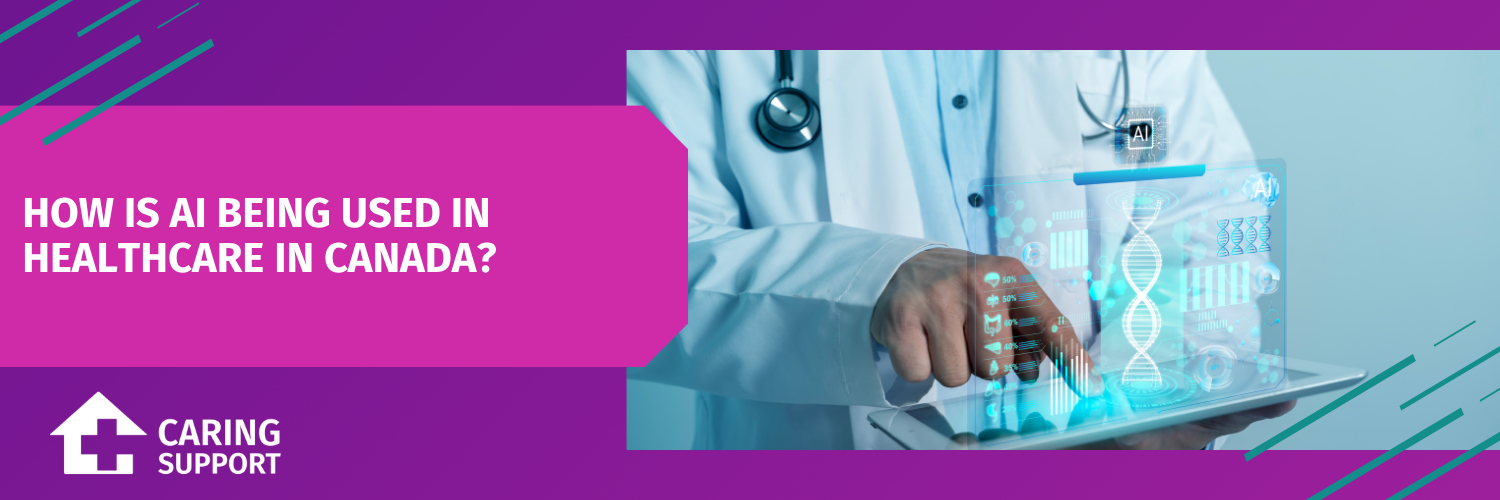
Artificial intelligence is rapidly moving from isolated pilot projects into active implementation across Canadian hospitals, clinics, and health authorities. Faced with chronic staffing shortages, severe administrative burdens, and long wait times, Canadian healthcare providers are turning to AI not just as an innovation, but as a practical tool to keep the system running.
Here is how AI is currently being integrated into healthcare across Canada:
1. AI Scribes and Administrative Automation
Paperwork and charting take up a massive portion of a clinician's day. To combat this, doctors, nurses, and practitioners across Canada are increasingly adopting AI-powered medical scribes.
How it works: These tools listen to patient-provider conversations (with consent) and automatically generate structured, regulatory-compliant clinical notes, summaries, and electronic medical record (EMR) inputs.
The Goal: To drastically reduce hours spent on after-hours paperwork, allowing providers to focus directly on patient care.
2. Diagnostic Imaging and Early Detection
Diagnostic departments—particularly radiology and pathology—are seeing some of the most advanced technical deployments of machine learning.
AI algorithms are being used to flag abnormalities in medical imaging (such as X-rays, MRIs, and CT scans) at accelerated speeds.
These tools help specialists detect early signs of diseases like cancer or cardiovascular issues faster and with higher precision, supporting clinical decision-making.
3. Optimizing Patient Flow and Triage
Emergency room overcrowding is a major crisis in Canada, and hospitals are utilizing predictive analytics to manage facility capacity.
AI models help forecast patient admission rates, emergency room traffic surges, and bed availability.
This allows health authorities to allocate staff more efficiently and improve wait-time management upstream before bottlenecks paralyze emergency departments.
4. Personalized Medicine and Remote Monitoring
Moving away from a rigid, "one-size-fits-all" model, Canadian researchers and care facilities are utilizing data-driven algorithms to tailor treatments.
Remote Patient Monitoring (RPM): Biosensors and smart wearable devices paired with analytics allow care teams to track chronic illnesses at home, flagging health risks before they require emergency hospitalization.
Treatment Stratification: Machine learning processes large cohorts of genetic and lifestyle data to help design targeted care paths for complex patients.