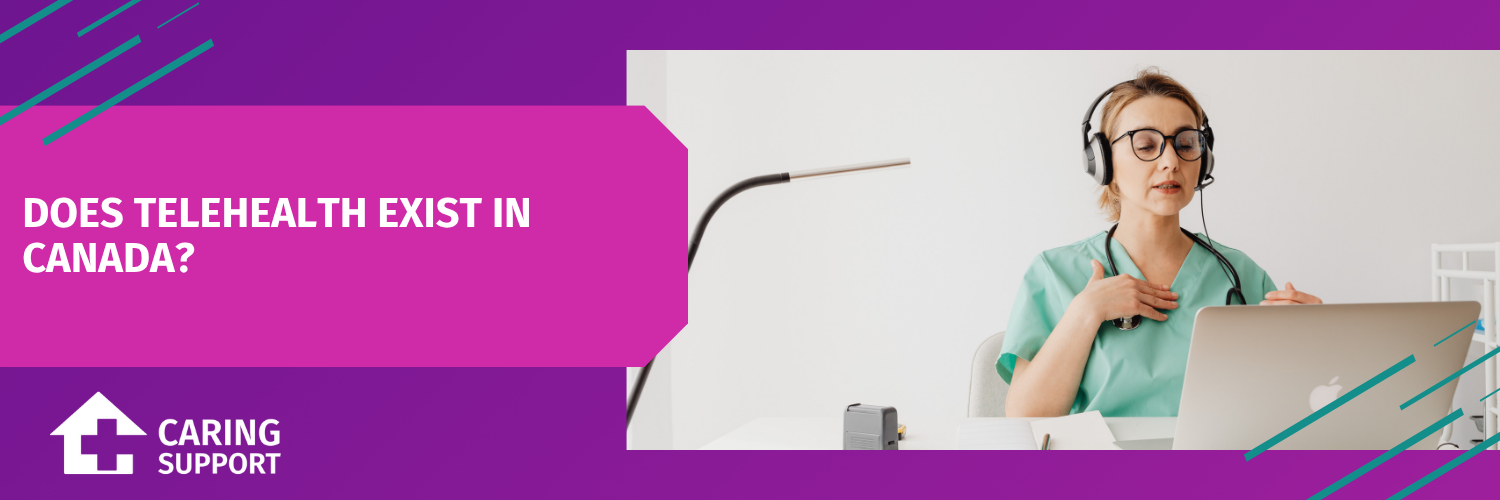
Yes, telehealth—widely referred to across the country as virtual care—is fully integrated into the Canadian healthcare system. Far from being just a temporary emergency measure, virtual care is now a permanent, regulated channel for receiving medical attention from licensed professionals.
Here is how telehealth operates across Canada:
1. How Virtual Care Is Delivered
Canadian healthcare providers use a variety of digital channels to connect with patients remotely:
Synchronous Care: Real-time consultations conducted via video conferencing or telephone calls.
Asynchronous Care: Text-based communication, secure messaging, or digital portals used to review symptoms, share files, or follow up.
Remote Patient Monitoring (RPM): Wearable devices and home medical tools that allow clinicians to track vital signs for chronic disease management.
2. Public and Provincial Coverage
Because healthcare in Canada is managed provincially, telehealth access and funding vary by region:
Provincial Health Plans: Many provincial health insurance plans (such as OHIP in Ontario or MSP in British Columbia) cover virtual visits when provided by eligible physicians billing the public system.
Public Telehealth Lines: Most provinces offer free, 24/7 tele-nursing services (like Telehealth Ontario or Info-Santé 811 in Quebec) where registered nurses provide immediate medical advice.
Private Options: Private telehealth platforms and subscription services also operate across Canada, offering rapid access for non-covered services, extended hours, or out-of-province needs, often supported by private workplace insurance plans.
3. What Can (and Can't) Be Treated Virtually
While telehealth handles a massive volume of everyday medical needs, it has clear clinical boundaries:
Suitable for Telehealth: Minor infections, prescription refills, routine mental health counseling, skin rashes, and initial medical consultations.
Requires In-Person Care: Physical examinations, emergency situations (like chest pain or severe trauma), diagnostic lab work, and imaging still require visiting a clinic or hospital.