
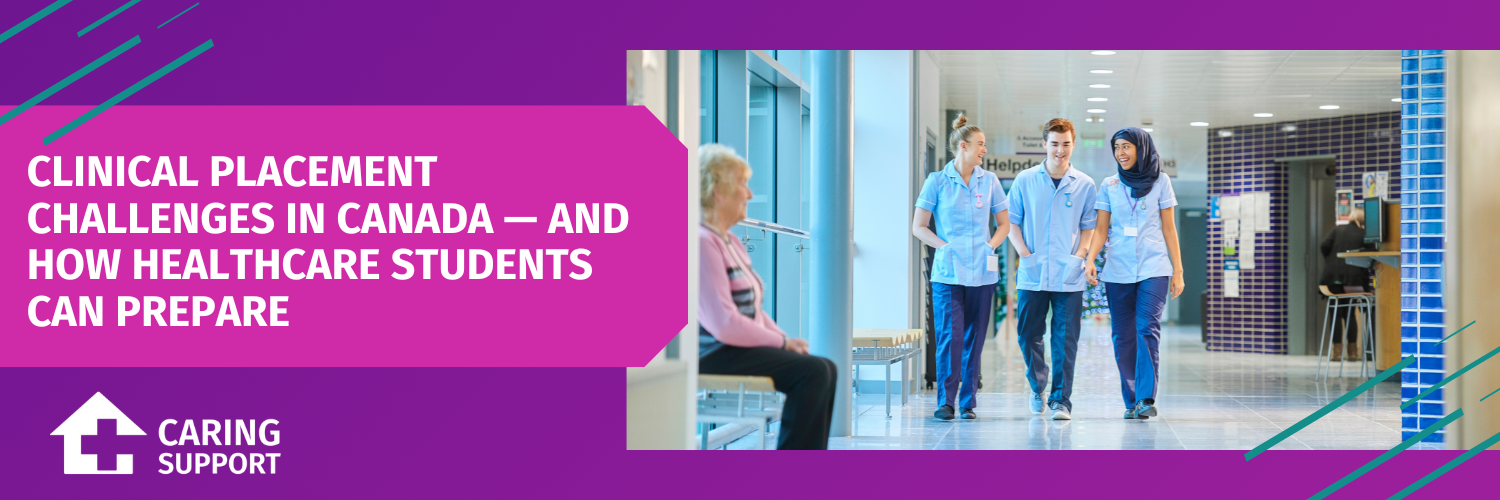
For many healthcare students in Canada, securing a clinical placement can feel just as stressful as passing exams or completing coursework. Whether pursuing nursing, PSW, lab technician, or allied health programs, students often discover that finding the right placement comes with significant competition, scheduling difficulties, and uncertainty about future employment opportunities.
As Canada continues addressing healthcare workforce shortages, clinical placements remain one of the most important steps in preparing students for real-world healthcare environments. They provide hands-on experience, professional networking opportunities, and exposure to workplace expectations before graduation.
At the same time, many students still face barriers that can delay graduation timelines or impact their confidence entering the workforce.
Clinical placements are more than just program requirements. They help students:
According to the Canadian Nurses Association, clinical experience plays a critical role in preparing safe and competent healthcare professionals across Canada.
For employers, placements are also an opportunity to identify future talent. Many healthcare organizations hire students directly after successful placements, especially in sectors facing staffing shortages.
This growing demand is discussed further in Preparing Canada’s Healthcare Workforce for 2026, which highlights how healthcare education and workforce planning are rapidly evolving.
One of the biggest challenges is the limited number of placement opportunities available compared to the growing number of healthcare students.
Hospitals, clinics, and long-term care homes often have limited capacity for supervising students, particularly during periods of staffing shortages. According to the Canadian Medical Association, workforce pressures across healthcare settings continue affecting training environments and mentorship availability.
As a result, students may experience:
Many healthcare students are assigned placements far from home due to limited local availability. Long commutes, temporary relocation costs, and transportation challenges can create additional stress during already demanding programs.
This is especially difficult for students balancing:
Students preparing for healthcare careers should understand that flexibility often becomes necessary during training. Our article on landing your dream healthcare job in Canada before 2026 also explores how geographic flexibility can improve long-term career opportunities.
For many students, clinical placements represent their first exposure to fast-paced healthcare environments. The pressure to perform professionally while still learning can feel overwhelming.
Common concerns include:
According to HealthForceOntario, employers increasingly value communication, adaptability, and professionalism alongside technical skills.
This aligns closely with trends discussed in what Canadian healthcare employers are really looking for in new grads, where soft skills and workplace readiness are becoming major hiring factors.
Many students assume completing a placement automatically guarantees employment. While placements can open doors, employers still expect candidates to demonstrate professionalism, initiative, and long-term interest in the organization.
Students who build stronger professional profiles during placements often improve their chances of future opportunities.
Important strategies include:
Building visibility beyond a traditional resume is becoming increasingly important in healthcare hiring. Our article on why healthcare job seekers need more than just a resume explains how digital profiles and online presence are changing recruitment.
Preparation can significantly reduce stress and improve placement experiences. Healthcare students should focus on both technical readiness and professional development before placements begin.
Helpful preparation steps include:
Students should also start exploring long-term career pathways early rather than waiting until graduation.
Platforms like Caring Support can help students connect with healthcare employers, explore industry expectations, and discover opportunities aligned with their qualifications and goals. As discussed in how Caring Support matches candidates with healthcare jobs, healthcare-focused platforms are helping bridge the gap between education and employment.
Clinical placements remain one of the most valuable — and sometimes stressful — parts of healthcare education in Canada. While students may face challenges involving placement availability, travel, workplace pressure, and competition, preparation and adaptability can make a major difference.
Canada’s healthcare system continues to need skilled and compassionate professionals across multiple sectors. Students who approach placements with professionalism, flexibility, and a willingness to learn position themselves more strongly for long-term success after graduation.
The experience may feel overwhelming at times, but for many healthcare professionals, clinical placements become the first step toward meaningful and rewarding careers.
Clinical placements provide hands-on experience, workplace exposure, patient interaction skills, and opportunities to apply classroom knowledge in real healthcare settings.
They can be competitive due to limited placement availability, growing student enrollment, and staffing pressures within healthcare organizations.
Yes. Many healthcare employers hire students after successful placements, especially when students demonstrate professionalism and strong communication skills.
Students should review clinical skills, organize certifications, research the organization, and prepare mentally for fast-paced healthcare environments.
Absolutely. Employers often assess reliability, teamwork, professionalism, communication, and adaptability throughout placements.
Being proactive, open to feedback, punctual, professional, and engaged with patients and staff can leave a strong positive impression on employers.
We'll keep you updated on all new application updates and features!